We are proud to announce that we are joining RockStart Accelerator with Gibbon.
Gibbon is reinventing learning on your tablet by following experts and allowing you to learn at your own pace.
After working on Gibbon for a few months we realized that it was more than a fun side project. We have a passion for learning and reading and love being able to help others doing this in a smarter way with Gibbon.
At Bread & Pepper we make heavy use of the awesome Emacs editor. If you happen to use it also, take a look at some of Petar's favourite packages on his blog:
We are currently working on a new project called Gibbon and we are still in the phase of finding out what this thing is really about. While I was creating some mockups for our pitch deck (view dribbble shots) it struck me; the first interface attempt always sucks.
Sometimes people walk up to my workstation and ask me about my keyboard. Leaving two hours later, they regret asking that question. Just like a guitar player can passionately talk about the Gibson guitar, I can talk on and on about the necessity of good keyboard. I have condensed that talk to a view paragraphs. Let me convice you to become a master typist.
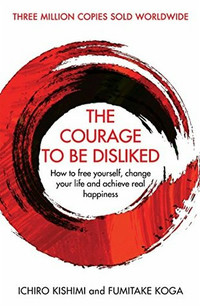
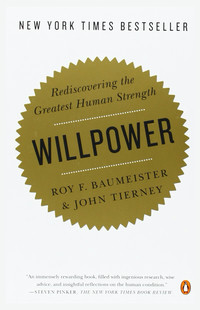
I love reading. Especially since I have my iPad; new books are always just a few taps away. The last couple of weeks I've been reading some pretty cool books about startups and design, so I thought I should share those titles with you.
I started reading the book 'Insanely Simple' by Ken Segall. He is the man who put the "i" into Apple's products. The book made me realise yet again how important it is to keep things simple. Especially with interface design I believe it is a designers task to be ruthless when it comes to extra features, buttons or elements. Apps/websites/software need focus on their main purpose, otherwise your users simply won't understand it. Complexity is always the easy way out, but Simplicity will make your product always more effective.
Bill Cosby is a comedian and well known for his role in the 'Cosby Show' but not so many know he gave some excellent startup advice too. Startups should listen to Bill, he is a wise man.
You should have listened to mr. Rams when he said 'weniger aber besser'.
Double the margins and paddings of everything. OK, now do it again.
When building Invy with Bread & Pepper we had lengthy debates on how a button should behave. This was not the case when we discussed monetization. Since we all hated ads -- and making money from ads is getting harder thanks to ad-cataract[^1] -- we were left with one option, charging money for it. It seemed obvious at the time, that when you supply something of value, you receive a compensation for the supplied value. We estimated the value for Invy at $1.99. However, after launching Invy, several people found this to be wrong, they told us it should be "gratis" instead.